General health information
What is Weight Loss Pen Program?
Each medicine has distinct indications, contraindications, dose schedules and adverse effects.
The same ingredient may have different brands and indications; a diabetes indication must not automatically be presented as weight management.
Goals of care
- Assess whether actual eligibility is met
- Review conditions, medicines and contraindications
- Plan monitoring of benefit and adverse effects
PRESCRIPTION OPTION
Weight Loss Pen within doctor-led weight management
A Weight Loss Pen is a prescription option for people who meet the relevant indication and individualized assessment criteria.
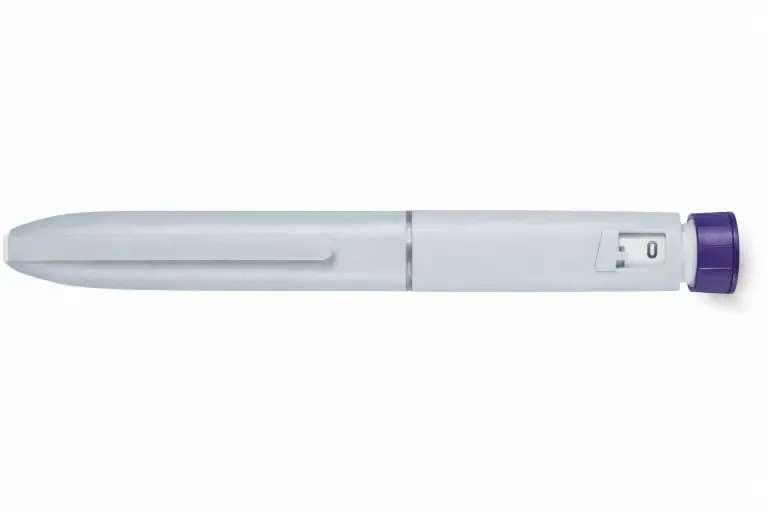
Weight Loss Pen
Weight-management pens include different medicines with distinct mechanisms, indications, injection schedules, dose escalation, contraindications and adverse effects.
Some mimic hormones involved in satiety, appetite and glucose regulation, so selection must reflect the person’s health and current medicines.
- Assess BMI, waist measurement, medical conditions, weight history and health goals
- Review current medicines and pancreatic, gallbladder, kidney, liver and digestive history, including pregnancy plans
- Perform an examination and select relevant blood tests from the history rather than using one panel for everyone
- The doctor selects the medicine, schedule and starting dose, with gradual escalation when appropriate
- Explain pen use, injection sites, storage and missed-dose instructions for the actual product
- Gastrointestinal effects may include nausea, vomiting, diarrhoea, constipation or abdominal discomfort
- Severe abdominal pain, persistent vomiting, dehydration or another unusual symptom requires contact with the clinic
- Follow weight, waist, food intake, activity, adverse effects and necessary tests before adjusting the plan
It is not suitable for everyone and should not be purchased or dose-adjusted independently. Outcomes vary and care should include nutrition, activity and monitoring.
General health information
Who may benefit from an assessment?
Assessment separates health, weight and body-shape goals so that an appropriate and measurable pathway can be considered.
- 01
Adults who meet the actual medicine’s criteria after assessment
- 02
Readiness for parallel behavior change
- 03
Ability to attend planned follow-up
General health information
Assessment and planning
Our team considers BMI, risks, health conditions, medicines, pancreatic, gallbladder and digestive history, pregnancy and the actual product, medical history, readiness and realistic goals.
01 — Clarify the goal
Separate health, weight, body-composition and shape goals.
02 — Assess relevant factors
Review health history, medicines, food, movement, sleep and justified tests.
03 — Plan and follow up
Choose a sustainable approach, define measures and adapt it to the response.
General health information
Preparing for and following the program
Before care
- Bring a list of medicines, supplements, health conditions and prior results
- Note eating patterns, activity, sleep and previous weight changes
- Share pregnancy, breastfeeding, allergy and procedure history
During follow-up
- Follow the agreed plan without changing medicines, supplements or intensity yourself
- Record symptoms, food, activity and side effects when advised
- Contact the clinic for unusual symptoms or difficulty following the plan
- Attend follow-up to review benefit, risk and whether to continue